Pokazywanie postów oznaczonych etykietą żałoba. Pokaż wszystkie posty

środa, 24 lipca 2024

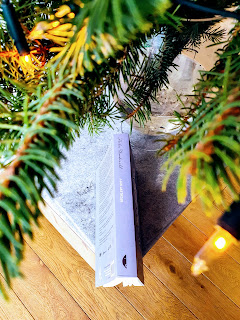
Han Kang, Biała elegia (흰 - Huin - White)

Biała plama po lekturze

Książka Han Kang Biała elegia to rozrywka na godzinę i w dodatku niekoniecznie na sam środek upalnego lata. Mimo niewielkie objętości – chyba nie warto.

Biały klucz

Powieść autorki Wegetarianki, bardzo estetycznie i starannie wydana przez Wydawnictwo WAB, to zaledwie 144 strony. Podzielona na trzy części, ma bardzo krótkie rozdziały, a tekst często zajmuje zaledwie niewielki kawałek strony. Materiału było tak mało, że trzeba go było uzupełnić zdjęciami. Podzielony jest on na trzy części – Ja, Ona, Wszystko co białe, oraz posłowie Od Autorki, które w sumie najwięcej do książki wnosi. Uogólniając, powieść powstała, by uhonorować starszą siostrę narratorki, wcześniaka, który urodził się daleko na prowincji, w środku zimy, a młoda matka nie miała jak wezwać pomocy. Dziecko zmarło, a jego młodsza siostra uważa, że żyje dzięki tej śmierci. Głównym tematem książki jest więc przemijanie, odchodzenie, zanikanie, a wszystko zatopione jest w bieli. Poszczególne podrozdziały poświęcone są białym przedmiotom czy zjawiskom – kaftanikowi, powijakom, mgle, szronowi, firankom, śniegowi, etc. Książka jest bardzo poetycka, ale w sztuczny, naciągany sposób, który mi nie pasuje.

Zaskoczenia

Zaskakuje może trochę tłumaczenie tytułu. W oryginale „biała” w polskim odpowiedniku stała się elegią, a więc lirycznym utworem o refleksyjnej treści. Chociaż utwór Kang jest utrzymany w smutnym tonie rozważania, zadumy, to staje się ona tematem przewodnim, w porównaniu do wiodącej w oryginale bieli. We wschodnich kulturach biel jest kolorem żałoby, którą narratorka przeżywa po śmierci swojej siostry, ale ten element trochę w polskiej wersji językowej umyka. Moje drugie zaskoczenie to obecność Warszawy – miasta pokazanego jako odbudowującego się po potwornych zniszczeniach II wojny światowej. Kang przyjechała na kilka miesięcy do naszej stolicy i została ona wpisana w Białą elegię.

Szkoda czasu

Nie podobała mi się ta książka. Po pierwsze, niewiele mi z niej zostanie – może pewne podobieństwo do świeżo przeczytanych Dżinów Fatmy Aydemir z utraconym pierworodnym dzieckiem, może Warszawa jako pewne zaskoczenie i ciekawostka, ale poza tym – nic. Nawet jedno zdanie, bo Kang czasami w Białej elegii bliżej do Coelho niż do znanej nam z Wegetarianki niepokojącej błyskotliwości. Szkoda czasu.

Moja ocena: 5/10.


Han Kang, Biała elegia
Wydawnictwo WAB, Warszawa 2022
Tłumaczenie: Justyna Najbar-Miller
Liczba stron: 144
ISBN: 978-83-280-9261-7

********************************************************************************

White spot after reading

Han Kang's The White Book is entertainment for an hour, and not necessarily in the middle of a hot summer. Despite the small volume, it's probably not worth it.

Whiteness as the key

The novel by the author of The Vegetarian, very aesthetically and carefully published by WAB Publishing House, is only 144 pages long. Divided into three parts, it has very short chapters, and the text often takes up only a small part of the page. There was so little material that it had to be supplemented with photos. It is divided into three parts - I, She, All Whiteness, and the afterword From the Author, which adds the most to the book. Generally speaking, the novel was written to honor the narrator's older sister, a prematurely born baby who was delivered far away in the province, in the middle of winter, and the young mother had no way to call for help. The child has died and his younger sister believes that he is alive because of his death. The main theme of the book is the passing of time, passing away, disappearing, and everything is immersed in white. Individual subchapters are devoted to white objects or phenomena - a jacket, swaddles, fog, frost, curtains, snow, etc. The book is very poetic, but in an artificial, far-fetched way that I didn't like.

Surprises

The translation of the title may be a bit surprising. In the original, the white book in its Polish equivalent became an elegy, i.e. a lyrical work with reflective content. Although Kang's prose is written in a sad, contemplative tone, it becomes the main theme, compared to the leading white in the original. In Eastern cultures, white is the color of mourning that the narrator experiences after the death of her sister, but this element is somewhat missed in the Polish version. My second surprise was the presence of Warsaw - a city shown as rebuilding after the terrible destruction of World War II. Kang came to our capital for a few months and it was included in the White Elegy.

Waste of time

I didn't like this book. First of all, I won't remember much from it - maybe a certain similarity to the recently read Djinns by Fatma Aydemir with her lost firstborn child, maybe Warsaw as a surprise and curiosity, but apart from that - nothing. Even one sentence, because Kang is sometimes closer to Coelho in White Elegy than to the disturbing brilliance known to us from The Vegetarian. Waste of time.

My rating: 5/10


Author: Han Kang
Title: The White Book
Publishing House: Wydawnictwo WAB, Warsaw 2022
Translation: Justyna Najbar-Miller
Number of pages: 144
ISBN: 978-83-280-9261-7

niedziela, 22 maja 2022

Lauren Groff, Fatum i furia (Fates and Furies)

Przyszło mi pożałować, że swoje lektury zaczęłam zapisywać dopiero w 2018 roku. Od pierwszego zdania Fatum i furii miałam wrażenie, że już tą książkę skądś znam, ale nie byłam sobie w stanie przypomnieć ani fabuły, ani jak to się stało, że ją kojarzę. Przeczytałam więc książkę od nowa, i tym razem – starannie zapisuję moje wrażenia.

Paradoks małżeństwa: nikogo nie można poznać całkowicie; poznaje się kogoś całkowicie.

Powieść Lauren Groff opowiada historię małżeństwa z długim stażem – Lancelota Satterwhite’a i jego żony Mathilde Yoder. W pierwszej części, Fatum, narratorem jest Lotto, w drugiej, Furii – Mathilde. Jak można się domyślać, dwie historie tylko częściowo się pokrywają, a ich bohaterowie diametralnie się od siebie różnią. Lancelot pochodzi z bogatej rodziny, jest przystojnym, charyzmatycznym mężczyzną i marzy o karierze aktorskiej. Jednak na srebrnym ekranie traci znaczną część swojego uroku i jego kariera nie rozwija się po jego myśli. Wreszcie zaczyna publikować sztuki teatralne, redagowane zresztą starannie przez jego żonę, i na tym polu zyskuje szacunek i uznanie krytyków. Oswojej żonie myśli w samych superlatywach, ustatkowuje się u jej boku i marzy o rodzinie. Tymczasem jego „dziewicza” Mathilde skrywa wiele mrocznych sekretów – w czasie studiów była utrzymanką właściciela galerii sztuki, usunęła ciążę i poddała się dobrowolnej sterylizacji. Nosi w sobie traumę z dzieciństwa, gdy zginął jej młodszy brat, a rodzice winili swoją córkę o jego śmierć i oddali ją na wychowanie dalszej rodzinie. Słowem, Mathilde ma prawo być Furią. Na swojego podziwianego przez świat męża patrzy jak na wymagające ciągłe opieki dziecko, zresztą na początku to ona płaci wszystkie rachunki i ciężko pacuje, podczas gdy Lotto szuka swojej drogi.

Żony są niewidzialne

Ten dwugłos jest zdecydowanie ciekawym zabiegiem stylistycznym, zapewne niejedno małżeństwo mogłoby taką historię o sobie opowiedzieć. Mi się ten dwugłos podobał, ale Mathilde przypominała mi bohatera Małego życia Yanagihary, Jude’a St. Francisa, gdzie czytelnik miał pełne prawo zastanawiać się, jakie jeszcze nieszczęścia autorka zechce na niego spuścić. Tutaj odczucia mam podobne – żona ze strony na stronę staje się nieprawdopodobnie doświadczoną przez los osobą, przez co powieść traci na wiarygodności. Oprócz tematu małżeństwa z geniuszem, odsunięcia się kobiety na drugi plan i pełnienie przez nią roli filaru męża, życia w jego cieniu, pojawia się również pięknie i mocno zarysowany wątek żałoby. Dodatkowo w tle mamy Szekspira i mity greckie, co daje szeroki kontekst literackich odniesień.

Zdecydowanie nie jest to najlepsza amerykańska powieść 2015 roku, a fakt, że już ją czytałam, ale kompletnie o tym zapomniałam, jest dla mnie potwierdzeniem takiego stanu rzeczy. Uważam natomiast, że jest na tyle zgrabnie napisana, że z ciekawością sięgnę po inne powieści Groff.


Moja ocena: 6/10


Lauren Groff, Fatum i furia

Wydawnictwo Znak, Kraków 2016

Tłumaczenie: Mateusz Borowski

Liczba stron: 430

ISBN: 978-83-240-4103-9


___________________________________________________________________

I regretted that I didn't start writing down books I’ve read until 2018. From the first sentence of Fates and Furies, I had the impression that I already knew this book from somewhere, but I was not able to recall either the plot or how did it happen that I knew it. So I read the book again, and this time - I carefully write down my impressions.

The marriage paradox: no one can be known completely; you get to know someone completely.

Lauren Groff's novel tells the story of a long-standing marriage - Lancelot Satterwhite and his wife Mathilde Yoder. In the first part, Fates, the narrator is Lotto, in the second, Furies - Mathilde. As you can guess, the two stories only partially overlap, and their characters are radically different from each other. Lancelot comes from a wealthy family, he is a handsome, charismatic man and dreams of an career as an actor. On the silver screen, however, he loses much of his charm and his professional development doesn't take off as he intended. Finally, he begins to publish plays, carefully edited by his wife, and in this field he gains the respect and recognition of critics. He thinks about his spouse in superlatives, settles down by her side and dreams of a family. Meanwhile, his "maiden" Mathilde hides many dark secrets - during her studies she was an escort girl of an art gallery owner, terminated her pregnancy and underwent voluntary sterilization. She carries the trauma of her childhood when her younger brother died, and her parents blamed their daughter for his death and gave her up to be brought up by their extended family. In short, Mathilde has every right to be a Fury. She sees her admired by the world husband as a child in constant need of care, and at first she pays all the bills and works hard, while Lotto decides what he wants to do and tries his luck.

The wives are invisible

This double-voice is definitely an interesting stylistic trick, probably more than one married couple could tell such a story about themselves. I liked that double-voice, but Mathilde reminded me of the hero of Yanagihara's Little Life, Jude St. Francis, where the reader had every right to wonder what other misfortunes the author would want to unleash on him. Here I have similar feelings - the wife becomes a person unbelievably experienced by fate, which makes the novel lose its credibility. In addition to the topic of marriage with a genius, a woman's relegation to the background and her role as a pillar of her husband, living in his shadow, there is also a beautifully and strongly outlined theme of mourning. Additionally, in the background we have Shakespeare and Greek myths, which gives a broad context of literary references.

This is definitely not the best American novel of 2015, and the fact that I have read it before, but forgot about it completely, is a confirmation of this fact. However, I believe that it is so neatly written that I will read other Groff novels with curiosity.


My rating: 6/10


Author: Lauren Groff
Title: Fates and Furies
Publishing House: Znak, Krakow 2016
Translation: Mateusz Borowski
Number of pages: 430
ISBN: 978-83-240-4103-9

wtorek, 26 kwietnia 2022

Katie Kitamura, Rozstanie (A Separation)

Między dwojgiem ludzi zawsze będzie miejsce na porażki wyobraźni

Sama nie wiem, jak trafiłam na tę książkę. Ktoś ją gdzieś wzmiankował, odwołał się do niej, ja to odwołanie zapisałam, i oto jest. Amerykańska pisarka o japońskich korzeniach, nota bene żona Hariego Kunzru, również pisarza, dziennikarka i krytyczka literacka, współpracująca z Guardianem czy New York Times Book Review. Rozstanie to jej czwarta powieść i jest... cóż, nie tym, czego się spodziewałam.

Narratorka powieści, która, co ciekawe, nie ma swojego imienia, rozstaje się ze swoim mężem, Christopherem. Małżeństwo ulega powolnemu rozkładowi, małżonkowie mieszkają osobno, aż w końcu bohaterka obiecuje swojemu nowemu partnerowi, że zyska papiery rozwodowe. Mniej więcej w tym samym czasie zaniepokojona matka Christophera dzwoni do niej, żeby powiedzieć, że nie ma kontaktu ze swoim synem i wie, że wyjechał on do Grecji skończyć pisać swoją powieść o żałobie. Dlatego kobieta leci w jego ślady i dociera do hotelu, w którym się zatrzymał. Na miejscu okazuje się, że zniknął i jego powrót jest oczekiwany. Kobieta spędza zatem kilka dni w spalonej słońcem i nękanej przez pożary krainie. Kiedy zamierza wrócić do domu, okazuje się, że znaleziono ciało jej męża, który przypuszczalnie zginął od ciosu w głowę podczas rabunku. Czy stało za tym coś jeszcze? Czy Christopher wdał się w kolejny romans, a zazdrosny partner nie wytrzymał? Nidy się nie dowiemy. Jednak spóźniona żałoba za prawie ex-mężem zaczyna zjadać bohaterkę i wpływać na jej nowe życie.

Kochać i nie wiedzieć, czy jest się kochaną

Rozstanie to dla mnie przede wszystkim powieść o żałobie i stracie. Bezdzietny związek powoli wygasa, a jednak okazuje się, że kobieta mocno przeżywa śmierć swojego męża. Wizyta u zawodowych greckich płaczek nie jest tu przypadkowa, choc miała miejsce, zanim kobieta dowiedziała się o śmiercu Christophera. Smutek płaczki jest wyuczony i na zawołanie, a jednak zawodząc, kobieta odnosi się do swoich uczuć i doświadczenia, wspomina swoich zmarłych bliskich, i to nadaje jej płaczowi autentyzmu. Postawa narratorki po śmierci męża jest podobna – ponieważ nie wie, jak powiedzieć rodzicom swojego męża, że się z nim rozstała, udaje rozpacz, a z czasem staje się ona dla niej autentyczna. Paradoksalnie jej związek z nowym partnerem cierpi po śmierci jej męża, kiedy nie ma już przeszkód, by para mogła się pobrać. Otwarte zakończenie może sugerować, że para się rozstanie. Bohaterka jest teraz bowiem wdową, z obowiązkiem żałoby, który sama sobie narzuciła, mocniej związaną z rodzicami swojego męża, niż za jego życia.

Książka Kitamury była dla mnie w pewien sposób urzekająca. Powolna, spokojna narracja bez gwałtownych zwrotów akcji, opowiadana z ogromnym dystansem, w dusznym greckim klimacie, wciągała mnie bardziej niż niejeden thriller. Natura dookoła bohaterki sugeruje pewną beznadzieję, niemoc, pułapkę. W wywiadzie na Youtube Kitamura powiedziała, że ta opustoszała część Greecji, Mani, w której dzieje się akcja, to tak naprawdę teren psychologiczny. Ona sama podczas swojego wyjazdu do Mani przygotowaywała się psychicznie na śmierć swojego ojca.[1] Sama autorka opowiada o książce z niesamowitym spokojem, przyznaje, że nie wie, kto zabił Christophera, ani jak ma na imię jej narratorka. Jej spokój mnie fascynuje. Z pewnością będę sięgać po kolejne powieści Kitamury.


Moja ocena: 7/10


Katie Kitamura, Rozstanie
Wydawnictwo Literackie, Kraków 2018
Tłumaczenie: Maciej Świerkocki
Liczba stron: 288
ISBN: 978-83-08-06551-8


There will always be room for the failure of imagination between two people

I don't know how I found out about this book. Someone mentioned it somewhere, referred to it, I wrote it down, and here it is. Katie Kitamura is an American writer of Japanese roots, nota bene the wife of Hari Kunzru, also a writer, journalist and literary critic, collaborating with the Guardian and the New York Times Book Review. A Separation is her fourth novel and is ... well, not what I expected.

The narrator of the novel, which, interestingly enough, does not have a name, separates from her husband, Christopher. The marriage slowly breaks down, the spouses live apart, until the heroine finally promises her new partner that she will get divorce papers. At about the same time Christopher's concerned mother calls her to say that she has no contact with her son and knows that he has gone to Greece to finish writing his novel about mourning. Therefore, the woman follows in his footsteps and reaches the hotel where he is staying. On the spot, it turns out that he has disappeared and his return is expected. Therefore, the woman spends several days in a land scorched by the sun and plagued by fires. When she decides to finally go home, it turns out that the body of her husband has been found, and he  is believed to have died from a blow to the head during the robbery. Was there anything else behind it? Did Christopher get into another affair and the jealous partner couldn't stand it? We will never find out. However, belated mourning for her almost ex-husband begins to eat up the heroine and affect her new life.

To love and not know if you are loved

For me, A Separation is a novel about mourning and loss. The childless relationship is slowly dying out, but it turns out that the woman is deeply affected by her husband's death. The visit to the professional Greek mourners is not accidental here, although it took place before the woman found out about Christopher's death. The grief of a professional mourner is learned and summoned on demand, and yet when she wails, the woman refers to her feelings and experience, remembers her deceased loved ones, and this gives her crying authenticity. The storyteller's attitude after her husband's death is similar - because she does not know how to tell her husband's parents that they had broken up, she feigns despair, and over time it becomes authentic for her. Paradoxically, her relationship with her new partner suffers after her husband's death, when there are no longer any obstacles for the couple to get married. An open ending may suggest that the couple might break up. The heroine is now a widow, with the obligation of mourning which she has imposed on herself, more closely related to her husband's parents than during his lifetime.

Kitamura's book was somewhat captivating to me. The slow, calm narrative without sudden plot twists, told with great distance, in a stuffy Greek atmosphere, drew me more than many thrillers. The nature around the heroine suggests a certain hopelessness, powerlessness, trap. In an interview on Youtube, Kitamura said that this deserted part of Greece, Mani, where the action takes place, is actually a psychological ground. During her trip to Mani, she herself prepared herself mentally for the death of her father[2]. The author herself talks about the book with incredible calm, admits that she does not know who killed Christopher or the name of her narrator. I am fascinated by her calmness. I will certainly reach for the next novels by Katie Kitamura.


My rating: 7/10


Author: Katie Kitamura
Title: A Separation
Publishing House: Wydawnictwo Literackie, Krakow 2018
Translation: Maciej Świerkocki
Number of pages: 288
ISBN: 978-83-08-06551-8

niedziela, 30 stycznia 2022

Helen Macdonald, J jak jastrząb (H is for Hawk)

Pisałam już kiedyś, że dobrze czyta się książki napisane przez pasjonatów, jeśli potrafią przekazać swoje fascynacje. Tak właśnie jest w przypadku powieści Helen Macdonald J jak jastrząb. Nie pomyślałabym, że książka o układaniu jastrzębi może być tak wciągająca. Nie mogłam jej odłożyć, a 350 stron zabrało mi trzy dni. Odkładałam ją z poczuciem mocy, siły, poczuciu piękna i szacunku do natury.

Dochodzenie do siebie po stracie

Helen Macdonald pisze o trzech tematach – niespodziewanej śmierci swojego ojca, z którym była bardzo związana. Ta nagła strata wpędziła ją w głęboką depresję, z której wyciągnęła ją jej pasja – ukrócanie (układanie) ptaków. Tak poznajemy Mabel – młodą jastrzębicę, którą kobieta będzie oswajać i trenować. Trzecim bohaterem powieści jest pisarz Terence Henbury White, który jest autorem powieści The Goshawk, książki sokolniczej, którą Macdonald zaczytywała się w dzieciństwie. Dla mnie jednak temat jest tylko jeden – układanie jastrzębia. Mabel opisana jest w zachwycający sposób, świat zwalnia, gdy czytamy jej opisy. Gdy ptak trafia do kobiety i po raz pierwszy siedzi jej na ręce, Helen czuje się jakby trzymała na ręku płonącą pochodnię. Z czasem poznajemy wszystkie ptasie instynkty, reakcje, proces szkolenia, a wreszcie pierwsze loty i polowania. Za każdym razem kiedy pisarka opisuje swojego ptaka, mam wrażenie mocy, siły, dzikości i wolności. Widać nie tylko miłość do swojego zwierzęcia, ale również głęboką fascynację i podziw. Udało się to przekazać na tyle, że gdy po przeczytaniu książki zaczęłam oglądać filmy na Youtube, byłam zaskoczona jak małe są w rzeczywistości te ptaki. Macdonald składa hołd swojemu dzieciństwu, ale również wszystkim autorom, którzy pisali o sokolnictwie. Dużo jest to specjalistycznego słownictwa (kernel, dłużec, etc.), ale podanego delikatnie i ze znawstwem. Sądzę, że historia ukrócania Mabel wejdzie do kanonu literatury sokolniczej, ale ma też szansę wejść do literatury znacznie szerzej i zyskać sporą popularność. To dobrze napisana książka, z licznymi opisami przyrody, nie ma w niej za dużo akcji ani gwałtownych zwrotów fabularnych. Jest za to dominujący szacunek do przyrody, świata zwierząt, zwyczajów opisywanych gatunków. Świat człowieka i natury przenika się i uzupełnia w książce Macdonald, choć pisarka często zakłóca ten balans, wycofując się w swojej żałobie ze świata ludzkiego, unikając kontaktów z przyjaciółmi i rodziną, nie dbając o pracę i miejsce zamieszkania. To wycofanie z życia społecznego, ze wszelkich relacji okazało się być depresją, którą bohaterka powieści leczyła farmaceutykami.

Zdecydowanie depresja i radzenie sobie ze stratą są również ważnym wątkiem powieści Macdonald. Uważam, że napisenie tej książki miało dla kobiety aspekt terapeutyczny. Proces przechodzenia przez żałobę, godzenia się ze stratą jest opisany w naprawdę przekonujący sposób.

Powieść Macdonald ciekawie łączy wątki auto- i biograficzne, z reporterskim zapisem szkolenia własnego ptaka. To książka, w której zarówno specjaliści od sokolnictwa, jak i niezwiązani z tym tematem czytelnicy znajdą coś dla siebie. Nie jest to lektura łatwa i w wielu opiniach spotykałam się z zarzutem, że książka jest chaotyczna i „nie wiadomo o czym”. Dla mnie jednak jej wielowątkowość oraz przede wszystkim głęboki szacunek i fascynacja dla świata przyrody były dobrze zbalansowane. Czytałam ją z ogromnym zainteresowaniem i będę polecać.


Moja ocena: 9/10.


Helen Macdonald, J jak jastrząb
Wydawnictwo Czarne, Wołowiec 2016
Tłumaczenie: Hanna Jankowska
Liczba stron: 352
ISBN: 978-83-8049-297-4


_____________________________________________________________________

Books written by enthusiasts are good to read, if they convey their fascinations. This is the case with the novel by Helen Macdonald H is for Hawk. I wouldn't have thought that a book on hawk laying could be so addictive. I couldn't put it down, and it took me three days to get through 350 pages. I put it down with a sense of power, strength, a sense of beauty and respect for nature.

Recovering from loss

Helen Macdonald touches upon three subjects - the unexpected death of her father, with whom she was firmly bound. They shared the same interests and she respected him greatly. This sudden loss had plunged her into a deep depression, from which her passion had drawn her - to hack (train) birds. This is how we meet Mabel - a young hawk which the woman will tame. The third character of the novel is the writer Terence Henbury White, who is the author of The Goshawk (among other better known books), a falconry book Macdonald read as a child. For me, however, there is only one topic - hacking a hawk. Mabel is described in a delightful way, the world slows down when we read descriptions of her. When the bird comes to the woman and sits on her arm for the first time, Helen feels like she is holding a flaming torch. Over time, we get to know all the bird's instincts, reactions, the training process, and finally the first flights and hunting. Every time the writer describes her bird, I have a feeling of power, strength, wildness and freedom. You can see not only love for her hawk, but also deep fascination and admiration. She managed to convey so much of it that when I started watching videos on Youtube after reading the book, I was surprised how small these birds really are. Macdonald pays tribute to her childhood, but also to all the authors who wrote about falconry. It is a lot of specialized vocabulary (hood, jesses, etc.), but given gently and expertly. I believe that the story of hacking Mabel will enter the canon of falconry literature, but it also has a chance to enter literature in general and gain considerable popularity. It is a well-written book with numerous descriptions of nature, there is not much action or sudden plot twists. There is, however, the dominant respect for nature, the animal world, and the habits of the described species. The world of man and nature intertwines and complements each other in Macdonald's book, although the writer often disrupts this balance, withdrawing in her mourning from the human world, avoiding contacts with friends and family, not caring about her job and place of residence. This withdrawal from social life, from all accounts, turned out to be a depression that the heroine of the novel treated with pharmaceuticals.

Definitely depression and coping with loss are also an important theme in Macdonald's novel. I believe that writing this book had a therapeutic aspect for the woman. The process of going through mourning, coming to terms with the loss, is described in a really convincing way.

Macdonald's novel interestingly combines auto- and biographical threads with a reporter's record of the training of one's own bird. It is a book in which both falconry specialists and readers not related to this topic will find something for themselves. It is not an easy reading and in many opinions the book is described as chaotic and "on nothing". For me, however, its multithreading and, above all, deep respect and fascination for the natural world were well-balanced. I read it with great interest and I will recommend it.


My rating: 9/10.


Author: Helen Macdonald
Title: H is for Hawk
Publishing House: Czarne, Wołowiec 2016
Translation: Hanna Jankowska
Number of pages: 352
ISBN: 978-83-8049-297-4